


What is “Zero Water Day”

Definition: “Day Zero” is the boundary beyond which water supply systems no longer function for everyday household use, forcing residents to collect limited water rations from designated distribution points.

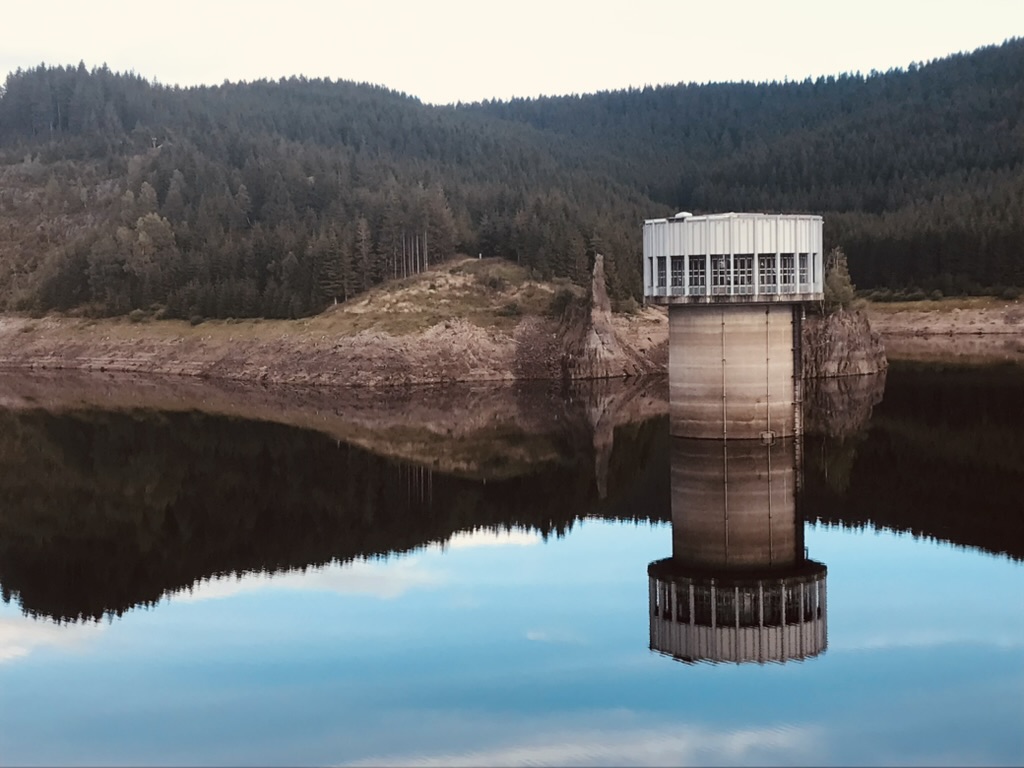
Mountains are Water Towers of the World (UNESCO Information

Origin of the Term: The concept gained global prominence in 2018 when Cape Town, South Africa, faced a severe water crisis and successfully implemented drastic conservation measures to avoid reaching “Day Zero”.

Global Relevance: This scenario is not unique to Iran or South Africa. Cities like Chennai (India) in 2019 and Mexico City in 2024 have experienced similar crises, and many other major urban centres worldwide are at risk due to a combination of climate change, population growth, and inadequate water

Efforts to prevent “Day Zero” focus on a range of strategies, including water conservation campaigns, infrastructure improvements to reduce leaks, exploring alternative water sources like desalination, and better long-term water management policies.  management. 

“Water day zero,” or simply “Day Zero,” refers to the projected date when a city’s municipal water supply will become so depleted (due to factors like prolonged drought, climate change, and high demand) that authorities must turn off residential taps and implement severe water rationing

ZWDP Case Studies

Ahead of the 2026 UN Water Conference, ZWDP will be developing a series of case studies as part of its Ice 2 Ice project and global water walk initiative.

The complex but urgent challenges we are facing as well described by the Colorado River, USA; Guardian newspaper < The US has a plan to save the Colorado River. Experts say it won’t be enough to stop the crisis >